

ABOUT SLOAN • SANDY SPRINGS, GA
I Always Wanted to Coach
Sloan originally thought that meant coaching football.
As a former athlete, he loved the strategy, discipline, and challenge of sports. But he also realized something about himself. What interested him most wasn’t managing an entire team. It was working with people individually.
A friend who was a personal trainer recognized that in him and suggested he consider becoming a personal trainer himself.
More than 30 years later, Sloan is still doing it.
Not because fitness happened to become his career, but because coaching people one-on-one turned out to be exactly where he belonged.
“The day I don’t want to get up and go to the gym at four o’clock in the morning is probably the day I’ll stop doing it.”
More Than 30 Years of Paying Attention
Early in his career, Sloan became interested in something beyond athletic performance.
He kept seeing people struggle with ordinary movements or get hurt doing everyday things. That led him to study how the body moves and what helps people become stronger, more balanced and more capable.
Over the years, his understanding of fitness kept expanding.
Strength matters. So do balance, mobility, flexibility, coordination and recovery. Age matters. Previous injuries matter. How someone uses their body outside the studio matters.
But perhaps most importantly, the person matters.
Sloan has learned that knowing exercises isn’t enough to be a good trainer. You have to know when to challenge someone. When to change course. When to encourage. And sometimes when to help someone see that they’re capable of more than they believe.
That’s something no textbook can teach in quite the same way as spending more than three decades coaching people.
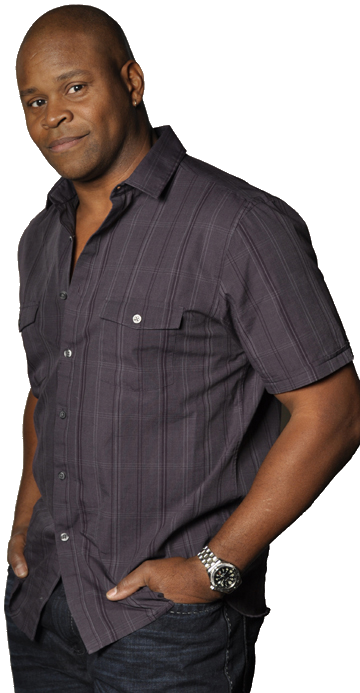
____
His Own Body Became Part of the Education
Years of athletics left Sloan with his share of injuries.
Later in life, he went through two hip replacements and shoulder surgery within a relatively short period of time.
He did what he has always done when he wants to understand something better. He studied.
He learned more about recovery, what the body needs before and after surgery, and what it takes to rebuild strength without pretending that an older body responds exactly like a younger one.
That experience deepened something Sloan had already learned from years of training clients:
Getting older doesn’t mean giving up on strength. It means getting smarter about how you build and maintain it.
The Relationship Is Part of the Training
Ask Sloan why clients stay with him for years, sometimes decades, and his answer is simple:
Trust.
That trust isn’t built in one workout. It’s built over time.
Sloan gets to know his clients. He knows when they need a challenge and when something isn’t quite right. He’ll tell them when they’re doing well, and he’ll also tell them when they can do better.
He’s direct without belittling. Encouraging without pretending everything is easy.
And people talk to him.
After years of training together, conversations naturally go beyond sets and repetitions. Work. Family. Kids. Frustrations. Wins. Life.
Sloan takes that trust seriously.
He has a particular gift for connecting with teenagers, too. His own father was a teacher, and the close relationship they shared shaped much of how Sloan thinks about encouragement, accountability and helping a young person find their way.
When Sloan works with teens, he often draws on the wisdom his father passed along to him. Over the years, parents have seen him build a level of trust with their teenagers that can sometimes be difficult to reach as a parent. He listens, is honest with them and gives them another adult in their corner who wants to see them become stronger and more confident, both in and outside the studio.
Whether he’s working with a teenager or someone he’s trained for 20 years, Sloan believes people do their best when they feel known, encouraged and respected.
The studio is a place where people can talk, laugh, work hard and be themselves without feeling judged.
For Sloan, the relationship isn’t separate from good training. It’s part of what makes good training possible.
Work Hard. Laugh Often.
Sloan believes fitness should be something you can enjoy.
That doesn’t mean he makes the workouts easy.
Quite the opposite.
He’ll ask for another repetition when you were fairly certain the previous one was your last. He’ll introduce an exercise you don’t particularly like because he knows it’s something you need. He’ll keep changing the challenge so your body doesn’t get too comfortable doing the same thing.
But somewhere in there, he’ll probably tell a story, make a comparison that comes completely out of left field, or say something that makes you laugh while you’re trying very hard not to.
That’s intentional, too.
Sloan believes people are more likely to stay consistent when they enjoy the process. And after more than 30 years, he still enjoys the process himself.
You can work hard and have a good time doing it.
Fitness Should Give You More Life, Not Take It Over
Sloan doesn’t believe the point of getting fit is to become obsessed with fitness.
The point is what fitness allows you to do.
Play golf. Hike. Travel. Work. Take care of your family. Try something new. Stay independent. Recover from a setback. Feel confident using your body.
Sometimes it’s something much smaller that suddenly feels significant because you realize, I can do that now.
That’s the kind of progress Sloan cares about.
Not simply what you can accomplish during 30 minutes in the studio, but what those 30 minutes make easier or possible everywhere else.
___
Still Coaching.
Still Learning.
Still Loving It.
After more than three decades, Sloan has trained teenagers, young professionals, parents, athletes, golfers, business owners and people well into their later years.
Some clients have been with him for decades.
He’s watched people get stronger, age, recover from surgeries, change careers, raise families and move through different chapters of their lives.
And he’s changed with them.
He continues to study. He continues to learn from his own body. And every day, he continues learning from the people he trains.
That’s one of the reasons he still gets up early and walks into the studio ready to coach.
He genuinely loves what he does.
And he wants the people who walk through his door to enjoy becoming stronger, too.
___
Come Meet Sloan.
Reading about a personal trainer can only tell you so much.
The best way to find out whether Sloan is the right trainer for you is to have a conversation with him.
You’ll sit down, talk about what you’re looking for, ask your questions and get to know each other.
No workout required.